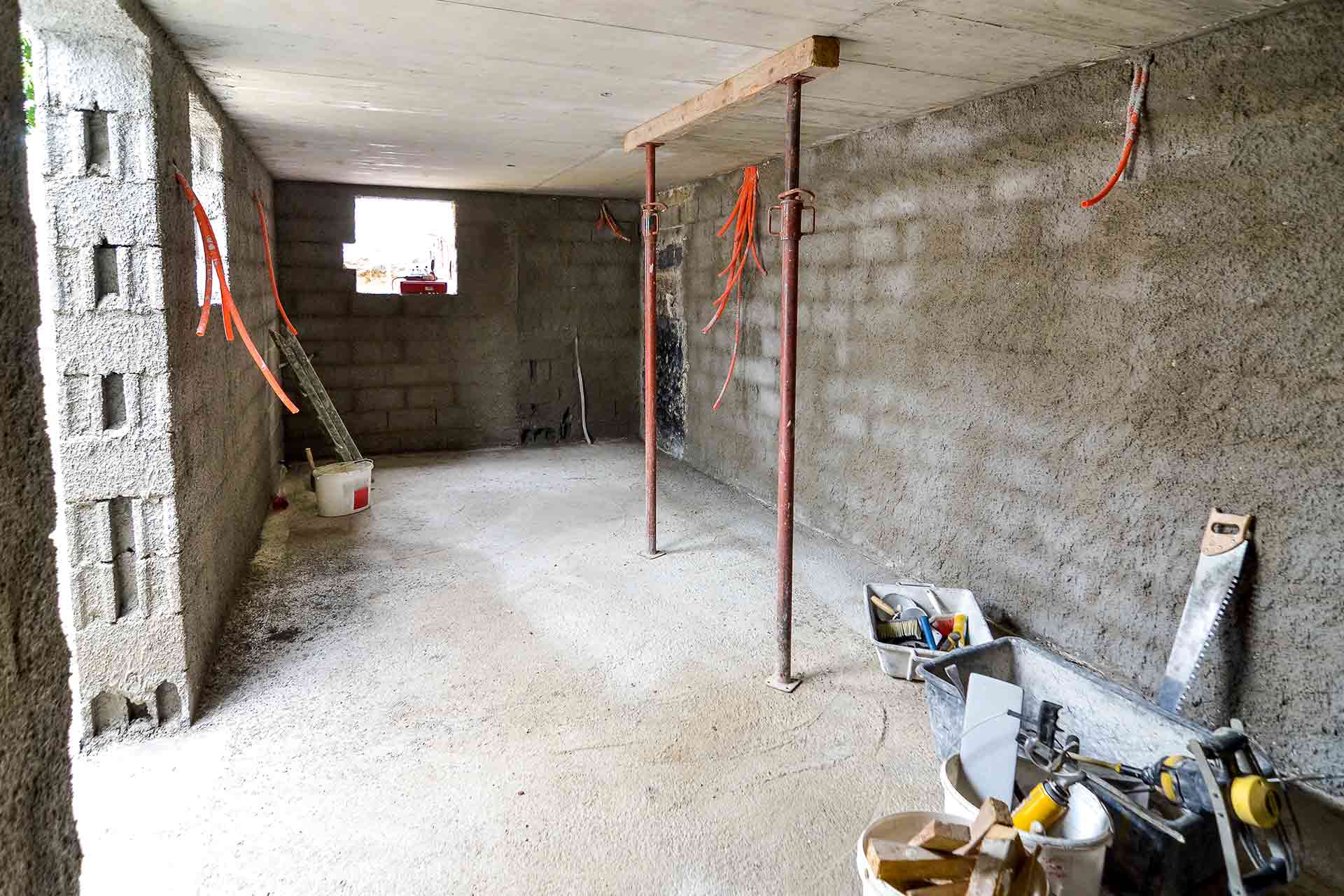
How Much Does Basement Waterproofing Cost

Introduction
Have you ever walked into your basement and felt that damp, musty smell and thought, “Ugh — I need to fix this”? You’re not alone. Basements are the silent battleground of many homeowners: out of sight, out of mind — until water becomes a problem. So the big question: How Much Does Basement Waterproofing Cost? In this guide we’ll walk through everything step-by-step — from what causes leaks to realistic price ranges, DIY vs pro options, and how to get a reliable quote. Consider me your basement translator: simple, practical, and honest.
Why this question matters
Because a wet basement isn’t just an eyesore — it can damage your home’s structure, lower resale value, and cause mold (which affects health). Knowing costs up front helps you prioritize, budget, and avoid wasting money on temporary fixes.
Who this guide is for
Homeowners who smell damp, see water stains, have had past flooding, own older homes, or are planning a basement remodel. If you’re comparing contractor quotes or thinking of a DIY approach — this is for you.
What Is Basement Waterproofing?
Basement waterproofing is the set of techniques used to prevent water from entering your basement or to control it so it doesn’t damage the space. Think of it as creating an umbrella for your foundation — sometimes outside, sometimes inside, and sometimes both.
Surface vs. Structural waterproofing
-
Surface (cosmetic): Paints and coatings that repel minor moisture. Great for humidity, not for active leaks.
-
Structural: Fixes that alter the path water takes — like exterior membranes, drainage systems, and sump pumps. These stop water at the source.
Common waterproofing methods
You’ll encounter terms like French drain, sump pump, interior perimeter drains, exterior membranes, crack injection, and vapor barriers. Each has a role depending on the problem.
Why Basements Leak — Causes & Triggers
Before throwing money at a solution, know what’s causing the problem.
Soil and hydrostatic pressure
When soil gets saturated, it pushes water against your foundation — like a balloon pressing on a wall. That pressure forces water through tiny cracks and joints.
Poor grading and drainage
If the ground around your house slopes toward the foundation, rainwater will head straight to the basement.
Cracks, porous walls, and old construction
Aging concrete and mortar can develop hairline cracks that become water inlets.
Plumbing leaks and condensation
Sometimes the issue isn’t outside water at all — it’s a leaking pipe or condensation from high indoor humidity.
Typical Basement Waterproofing Methods (Overview)
Each method has different effectiveness and cost.
Exterior excavation and membrane systems
This involves digging around the foundation and applying waterproof membranes or coatings on the outside. It’s one of the most thorough — and expensive — solutions.
Interior drainage and sump pumps
Install a drainage channel inside the basement perimeter that directs water to a sump pump which ejects it away from the foundation. Very common and effective for many problems.
Crack injection and sealants
Epoxy or polyurethane injected into cracks. Good for localized leaks.
Coatings and waterproof paints
Useful for preventing moisture migration and humidity, but not for structural leaks.
French drains and Swedish systems
These are specialized drainage setups (outside or inside) that redirect groundwater away from the foundation.
Cost Factors That Determine Price
The price varies widely. Here are the main levers that push the cost up or down.
Basement size and square footage
Bigger space = more materials & labor. A small crawlspace repair is vastly cheaper than a 1,500 sq ft finished basement.
Type of problem and severity
Active flooding and hydrostatic pressure need heavier-duty solutions than minor seepage.
Interior vs. exterior solutions
Exterior fixes (excavation) cost more due to digging and landscaping repairs. Interior solutions are typically cheaper but may be less permanent for some issues.
Material quality and brand
Higher-grade membranes, pumps, and drains cost more but often last longer.
Labor, local market, and permit costs
Labor rates vary by region. Permits and inspections add upfront costs.
Accessibility and landscaping disruption
If heavy equipment can’t reach the area, expect special equipment and higher labor fees.
Price Ranges — Realistic Estimates
Below are ballpark numbers. Remember: local costs may vary.
Quick fixes and spot repairs
-
Range: $150 – $800
-
Examples: crack sealing, small patching, applying waterproof paint.
Interior drainage + sump pump
-
Range: $2,000 – $8,000
-
Typical for many homes: install interior perimeter drain, gravel, and a sump pump.
Exterior excavation + membrane
-
Range: $7,000 – $25,000+
-
Excavation, membrane, exterior drainage, backfill — expensive but comprehensive.
Full structural waterproofing and foundation repair
-
Range: $10,000 – $50,000+
-
If your foundation needs structural work (piers, major crack repairs), costs jump steeply.
Itemized Cost Breakdown (Sample)
Want to see where the money goes? Here’s a simplified example for an interior drainage install in a 1,000 sq ft basement.
Materials
-
Drain pipe & gravel: $300–$700
-
Sump pump: $200–$1,200
-
Concrete cutting & patching materials: $200–$600
Labor
-
Excavation inside slab, install, and finish: $1,200–$4,000
Equipment rental
-
Jackhammers, vacuum trucks: $100–$500 (may be bundled)
Permits and inspections
-
$50–$500 depending on jurisdiction
Contingencies and hidden costs
-
Mold remediation, disposal fees, unexpected structural repairs: $500–$5,000
DIY vs. Professional Waterproofing
Should you roll up your sleeves?
When DIY makes sense
-
Minor humidity or cosmetic dampness.
-
Small crack sealing, adding a dehumidifier, or simple landscape grading.
Risks of DIY
-
Misdiagnosing the cause.
-
Temporary fixes that hide larger issues.
-
Voiding warranties or insurance coverage.
How to choose a contractor
-
Ask for references, proof of insurance, written warranties, and itemized bids.
-
Look for local specialists, not general handymen.
-
Check reviews and local licensing.
How to Get Accurate Quotes
A good quote reflects a thorough inspection.
What to ask contractors
-
“What method do you recommend and why?”
-
“Can you provide an itemized estimate?”
-
“What warranty comes with the work?”
-
“Do you handle permits and cleanup?”
What to expect in an estimate
-
Scope of work, materials, timeline, payment schedule, warranty terms.
Red flags and common upsells
-
Pressure to sign immediately, vague scope, demand for full payment up front.
Long-Term Value: Cost vs. Benefit
Spend smart: waterproofing is an investment, not an expense.
Protecting your home value
A dry basement sustains property value and makes resale easier.
Insurance and warranties
Some insurers reduce premiums or require specific fixes; get warranties in writing.
Energy and health benefits
Dry basements are easier to heat, reduce mold risk, and improve indoor air quality.
Financing & Savings Tips
Big repair bills can be managed.
Grants, loans, and tax credits
Check local homeowner assistance programs — sometimes municipalities offer help for foundation repairs.
Seasonal discounts and bundled repairs
Winter or slow seasons can have discounts. Bundle waterproofing with other foundation work to negotiate pricing.
Prioritizing repairs
Fix the source first (drainage/grade) before cosmetic finishes.
Case Studies (Short Examples)
Real quick snapshots to ground the numbers.
Small crawlspace fix
-
Problem: condensation & small leaks
-
Solution: vapor barrier + dehumidifier
-
Cost: ~$500–$1,200
Mid-range interior drainage install
-
Problem: periodic seepage during heavy rains
-
Solution: interior perimeter drain + sump pump
-
Cost: ~$3,500–$6,500
Major exterior excavation
-
Problem: hydrostatic pressure + failing exterior membrane
-
Solution: Excavation, membrane, exterior drain
-
Cost: ~$12,000–$30,000
Maintenance After Waterproofing
Keep your investment working.
Routine checks
-
Inspect sump pump monthly.
-
Check gutters and downspouts seasonally.
Seasonal maintenance
-
Clear debris from drains in fall.
-
Test backup power for sump pumps before storm season.
What to watch for
-
New cracks, fresh damp spots, musty smells, or a pump that runs constantly.
Common Myths & Misconceptions
Let’s bust a few.
“Paint will solve everything”
Waterproof paint helps with humidity but won’t stop groundwater or structural leaks.
“Basement waterproofing is only for old homes”
Any home can have water issues — new builds can have poor grading or construction defects.
Checklist Before You Start
Short, practical list.
Pre-work inspection list
-
Identify visible leaks and stains.
-
Check exterior grading, downspouts, and sump pump behavior.
-
Photograph problem areas.
Permits & neighbors
-
Check local permit requirements.
-
Notify neighbors if excavation will impact property lines.
Budget buffer
-
Set aside 10–20% contingency for surprises.
Timeline — How Long Will It Take?
Expectations matter.
Quick repairs (1 day)
-
Crack injections, small patching, painting.
Interior drainage (2–7 days)
-
Cutting slab, installing drain, re-pouring concrete.
Exterior excavation (1–3 weeks)
-
Digging, membrane application, backfill, landscaping.
Conclusion
So, How Much Does Basement Waterproofing Cost? The short answer: it varies widely — from a few hundred dollars for spot repairs to tens of thousands for full exterior excavation and foundation repair. The smart approach is to diagnose the cause, weigh DIY vs professional help, gather multiple itemized quotes, and prioritize solutions that address the water source, not just the symptom. Waterproofing is an investment in your home’s health — a dry basement saves money long-term and keeps your house comfortable and valuable.
FAQs
Q1: How often do sump pumps need replacement?
Most sump pumps last 7–10 years. Test yours annually and consider a battery backup if you experience power outages during storms.
Q2: Will basement waterproofing increase my home’s resale value?
Yes — a dry, well-documented basement can improve buyer confidence and protect your home’s appraisal value.
Q3: Can I finance basement waterproofing?
Often yes. Many contractors offer financing. Also check local grants, home improvement loans, and tax incentives where available.
Q4: Is exterior waterproofing always better than interior methods?
Not always. Exterior solutions tackle the root cause (water before it gets to the wall), but they’re pricier. Interior systems are effective for many homes and are less disruptive.
Q5: How do I know if my basement problem is structural?
Signs of structural issues include large horizontal cracks, bowing walls, doors/windows that don’t close, and sudden shifts. If you see these, get a structural engineer involved before cosmetic fixes.